

Internal systems for running a company
Orders, warehouse, approvals or attendance that live in Excel and email today get a system connected to what already runs in your company. We start with what hurts most, develop it for years and it is entirely yours.
- An order has three versions in a spreadsheet and a fourth in an email.
- The warehouse says one thing, accounting another.
- Approvals run through email and nobody knows where they have got stuck.
- Someone spends two days compiling reports for management by hand, and then another question comes up.
- Paper comes in from operations and someone then retypes it into the computer.
- Our ERP can't handle this process and a licence for everyone in operations is too expensive.
What came out of briefs like these
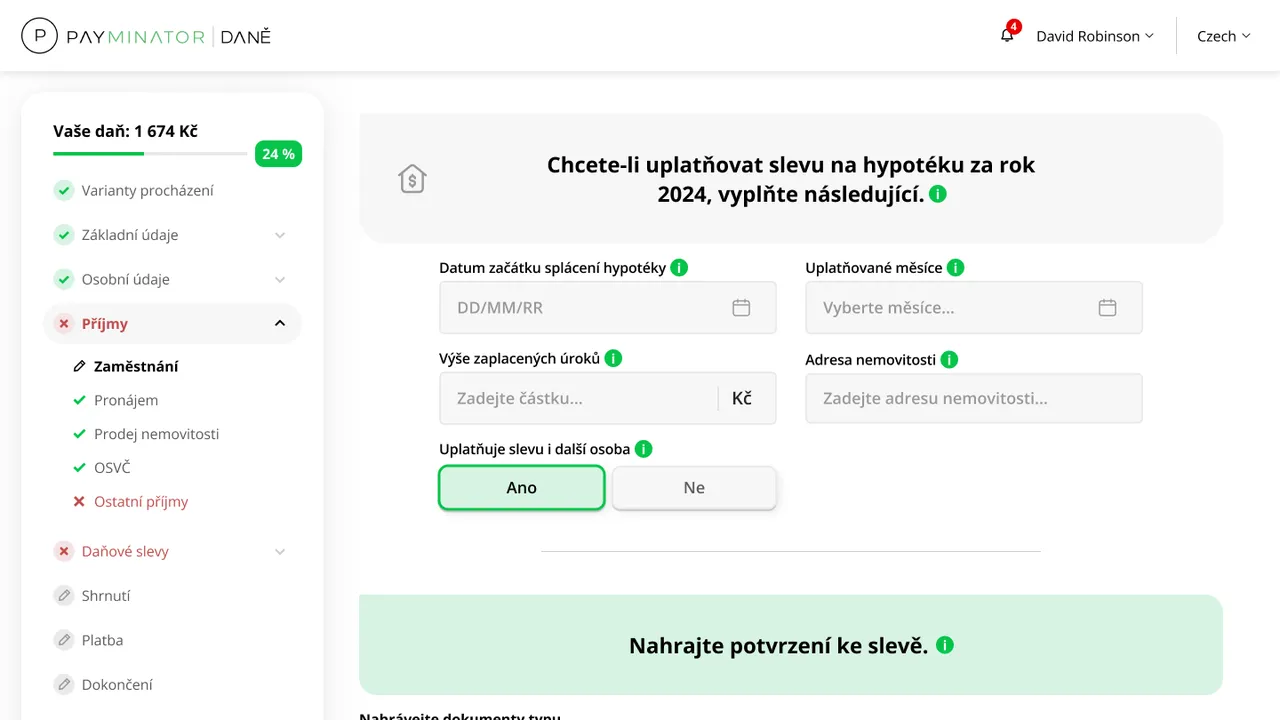
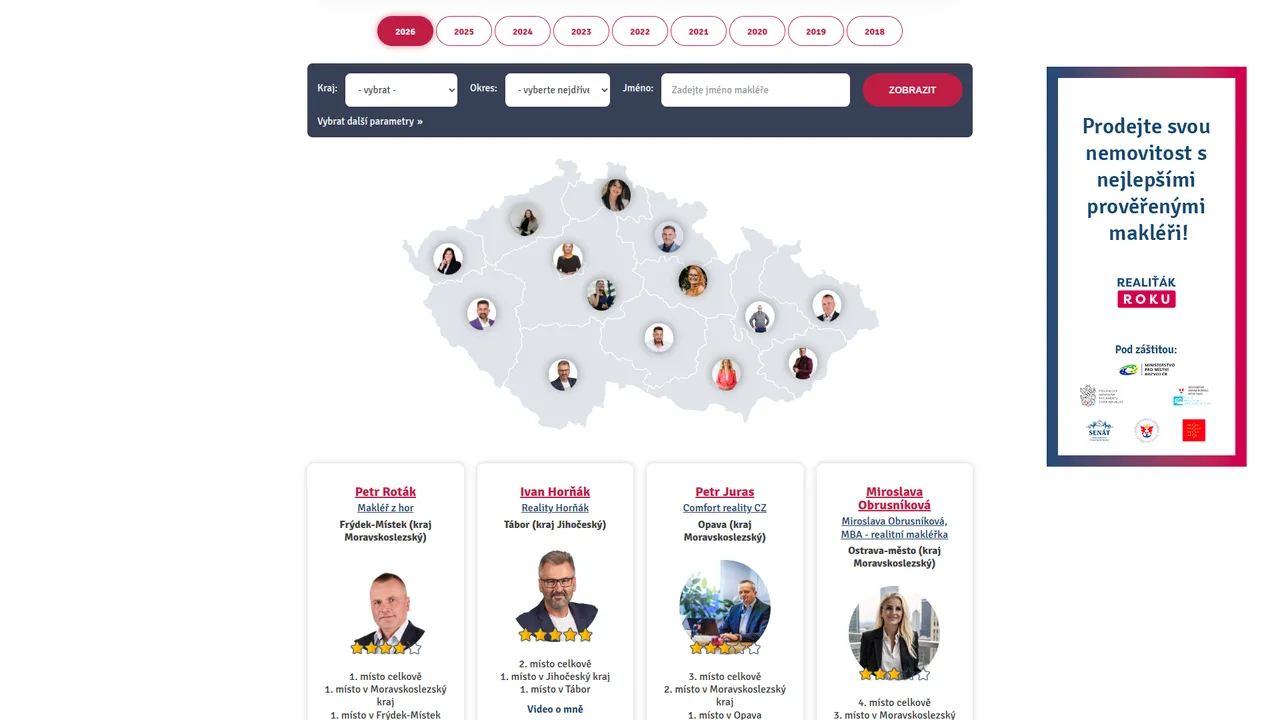
Internal systems for jobs, stock, approvals or reporting can't be seen from outside. These four we can show. The numbers say what each of them handles.
Why give development to experienced developers
Building a system is quick and cheap today. What remains expensive is knowing what to build so that it stands up to your operational staff and real data, and developing it for years.
-
Never with a big launch.
We start with the process that hurts most and roll it out with the people who do it every day. We add further modules once the first has proven itself in live use. Change is cheapest while things are being built, and you see what's taking shape from the start.
-
Data that adds up.
We connect to ERP, accounting and stock systems through an API, and where there isn't one, through the database or a regular export. Unifying data from mutually incompatible systems is our daily work. That is how Grainterminal calculates prices from the exchange and traders' inputs and takes a deal all the way to the invoice.
-
An interface for people with no time for training.
Few steps and large buttons, so that even someone in the warehouse wearing gloves can manage the form. It works on tablets and phones, with a signature and photo instead of paper. We train your operational staff right at their work.
What we can add to a system
-
Advanced data search
Orders, clients and documents from one field, with word forms and typo tolerance. Response times in the tens of milliseconds.
More on data search -
Maps and geodata
Jobs, vehicles and branches on a map. Route planning for drivers and delivery confirmation on a mobile phone.
More on maps and geodata -
AI and local models
Data extraction from invoices and documents, request sorting and answers based on your data. We work with text, images and audio. You decide where the data may go.
More on AI and local models
Details
Open what interests you. The answers are inside.
Approvals for everyone
Operations, field staff and suppliers get access without another ERP licence.
Every approval leaves a record of who decided and on what basis. We set permissions by department: warehouse, sales, accountants and management each see their own part, and permissions are checked on the server, not just in the interface.
Reports that put themselves together
Reports that someone spends two days preparing today are ready in one click.
And after the next question, again and differently. Management overviews are calculated from live data, with export to Excel and PDF.
Hardware in the warehouse and in the field
Code readers, label printing, scales, terminals and vehicle locations.
In the warehouse, the system connects to barcode and QR code readers, label printers and scales. In the field, it plans routes for drivers, shows vehicle locations and confirms delivery right on the phone.
Maps and geodata
How we roll out the system
Never with a big launch. One process, a pilot with operations staff, then more modules.
-
Process mapping We look at how work really gets done – not how the internal policy describes it. That gives us the scope, priorities and price.
-
A pilot module in operation We deploy the most painful process first and let it run with the people who use it every day.
-
Expansion and integration More modules, ERP and warehouse integration, management reports. In parts and with agreed capacity.
What a system costs
We give a price after mapping your processes, starting with the first module.
We do not build the system as one big project with one big price. We price the first module and plan the next ones based on how it proves itself in operation – always with an option for a limited budget as well.
Administration and operation
You manage users and rules yourselves, and we can look after operation and development.
The system runs on your premises or in the cloud, with backups and encryption. We provide updates and development with an SLA, and we write documentation for whoever comes after us.
Servers and operation- Who will manage the system?
- You manage users, roles and rules yourselves. We can provide operation, updates and development, with an SLA.
Questions before you enquire
What people ask before they get in touch. ERP, older software and operations staff.
- Will the new system replace our ERP?
- Usually not, and that should not be the goal. We complement it where it falls short and connect to its data.
- Can you connect to older software?
- Yes. If it has an API, we use it. If not, usually through the database or a regular export.
- Will our operational staff manage the system?
- Yes, the interface is designed for them. It works on a tablet and a phone, and we train operations staff right on the job.
Let's go through your processes and how to automate them
Just describe what you do by hand or in Excel today and where it grinds the most.