

Servers and operation
We design, arrange and run the infrastructure for your project. From a shared server for a company website to dedicated servers and the cloud for a portal that is growing.
What we can do
We build operations from parts we know in detail. Each one is described by how it works and, with an example, what it does.
-
Tailored to the project, from the smallest to the largest
We design the infrastructure according to load, data sensitivity and budget. A company website needs only a place on our server, a portal for tens of thousands of people a day gets dedicated servers held in the client's name, and where the load fluctuates or a global project needs a low response time worldwide, we deploy the cloud.
Project a portal for tens of thousands of people a day solution dedicated servers with headroom for peaks
-
Grows with the project
New applications run in containers, so more performance means another server or instance, not a rebuild of the project. We watch the reserve for peaks in operation.
Situation peak load solution another instance, not a rebuild
-
Linux as the foundation
We run servers on Linux. For the online world this is not a limitation but the ideal environment: most web servers run on it, as do all the technologies we work with. Older and taken-over applications we keep running in the classic way on nginx and PHP-FPM.
Technology PHP, Node.js, PostgreSQL, Docker environment are at home on Linux
-
Hosting, domain and HTTPS from one source
We arrange hosting, the domain, DNS and certificates, so you do not have to deal with them elsewhere. The certificate renews itself and each language version can have its own domain.
Task a new domain for the German version result DNS and certificate without worry
-
Deployment in one step
The pipeline builds and tests every version, and a finished application image goes to the server. A person decides when production is switched over, and the previous version is one step back.
Task new version of the application result tested, deployed, with a way back
-
Regular backups
Databases and files are backed up regularly. We store application data so that the backup system sees all of it.
Situation application data in a container status in a directory the backup sees in full
-
Round-the-clock monitoring
Alerts in Telegraf, Grafana and Uptime Kuma watch applications and servers around the clock. We handle critical situations, such as an application crash or an attack, outside working hours too, and the provider's round-the-clock administrator helps with the servers. Other alerts we assess during working hours. Each project has its own overview of the whole infrastructure in Grafana, and we see errors and slowdowns broken down all the way to the database, so we know about a problem before your customers do. We handle a typical request within an hour of work on average; the long-term average is 52 minutes.
Overview project dashboard content servers, databases and applications in one place
-
Security and updates
The application exposes no port. Only a proxy with HTTPS faces outwards, and the database sits in an internal network with no route from outside. We keep the system and the application up to date.
Element application database status internal network only, unreachable from outside
-
AI on a dedicated server
We run models for sensitive data on a dedicated server, so the data never leaves the infrastructure. A model for search by meaning can even be handled by a server without a graphics card.
Measurement search by meaning on a server without a GPU measured query 13 ms, data stays on the server
How we do it
We design the infrastructure around the project, not a price list. The same team then deploys the application on it and runs it for years.
-
Design around the project Load, data sensitivity and budget determine whether a shared server is enough, or whether the project needs dedicated servers or the cloud.
-
Preparation and deployment We request dedicated servers from a provider, and you decide on the price. Once approved, the provider prepares them in your name; a cloud setup we prepare ourselves. We deploy the application as a ready-made image and arrange hosting, domain and certificates.
-
Operation and development Round-the-clock monitoring, updates, regular backups and capacity that grows with the project.
Access
- Servers
- our servers for smaller projects, managed and dedicated servers and cloud held in the client's name, and the client's own hardware
- Operating system
- Linux
- Containers
- Docker, the application as a finished image from the pipeline
- Web server
- FrankenPHP for new applications, nginx and PHP-FPM for older and taken-over projects
- Proxy and HTTPS
- Traefik, Let's Encrypt certificates, HTTP/3
- Monitoring
- Grafana and InfluxDB with an overview of the whole infrastructure for each project, Sentry for errors and application performance
- Backups
- regular backups of databases and files
- AI
- our own models on a server, even without a graphics card
This is a selection. We choose technologies according to the needs of the project.
Where operations hold up every day
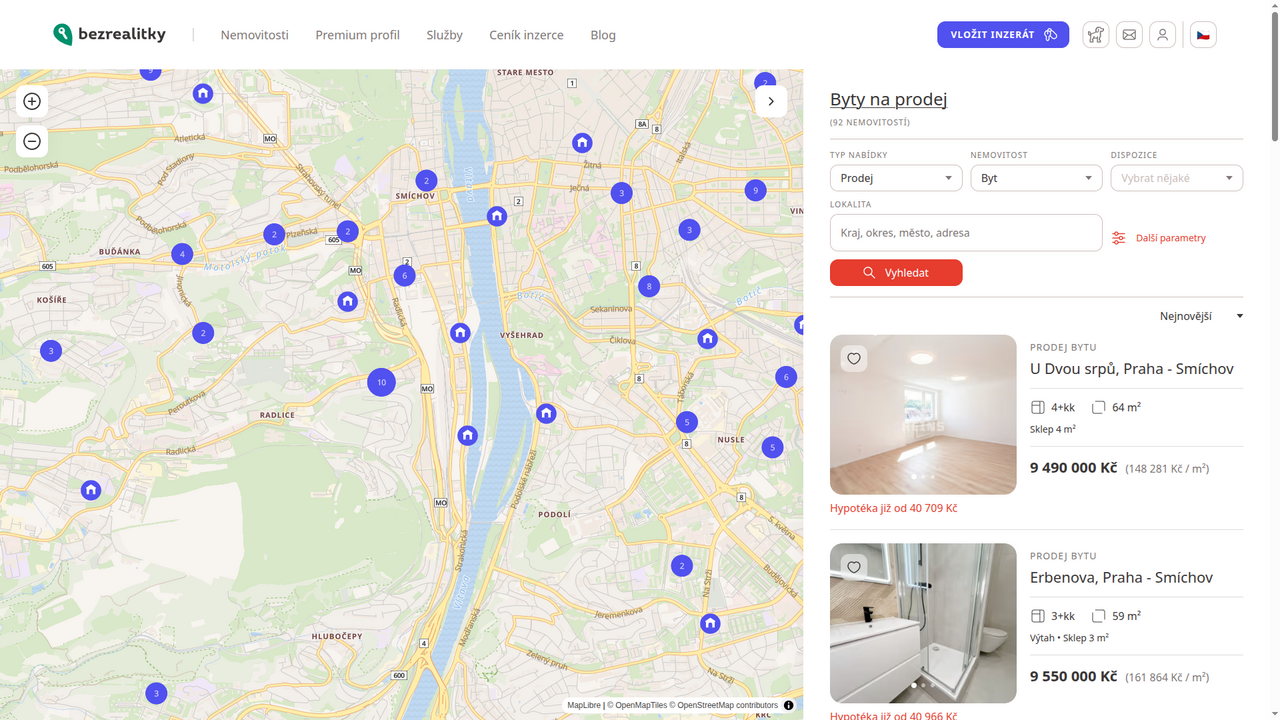
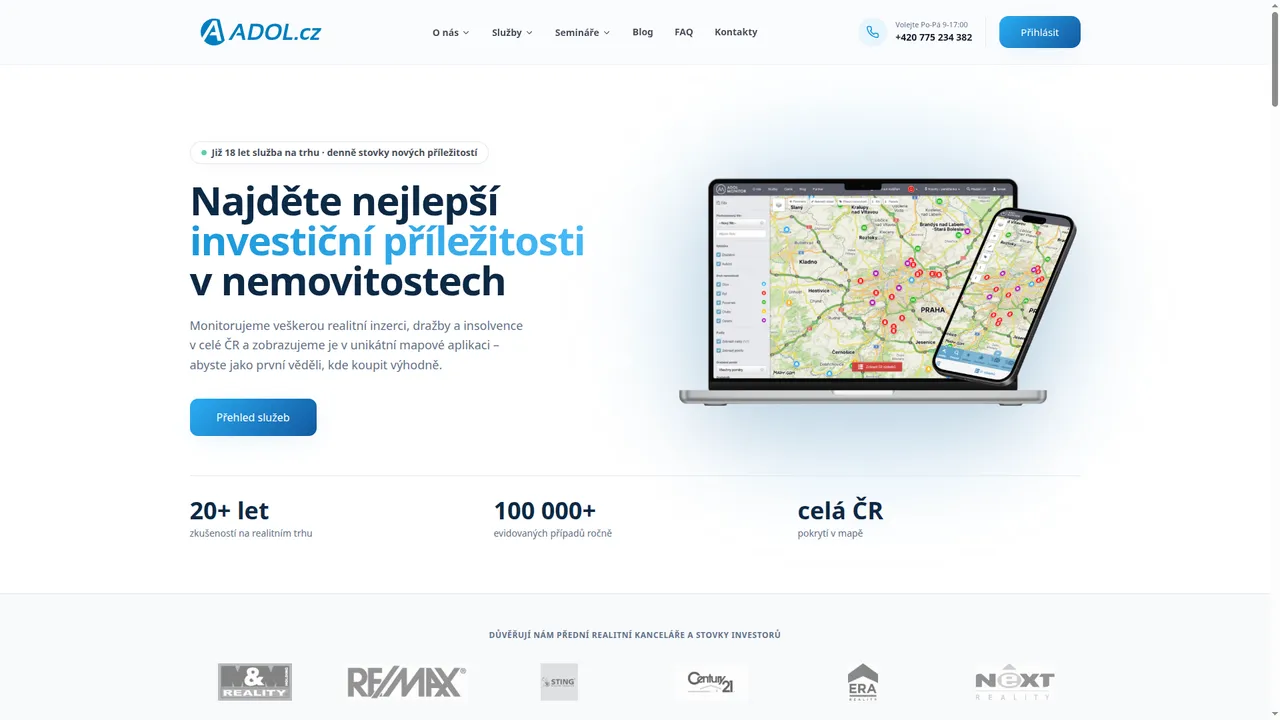
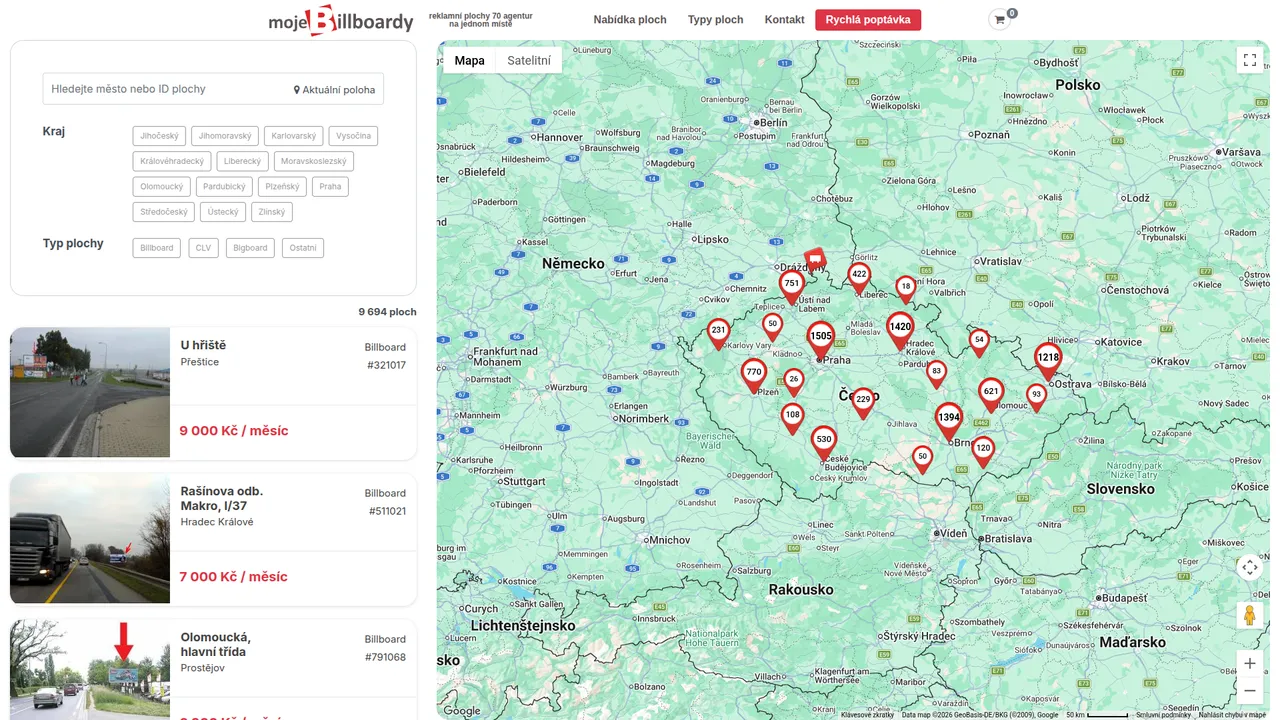
We designed the infrastructure for the portals we have developed for years ourselves, and we look after it every day.
We can do a lot
The server is the foundation on which both speed and security rest. We build every project from these capabilities.
- Speed and performance A website that loads in the blink of an eye, and a portal for tens of thousands of people a day.
- Advanced data search Typos and meaning, hundreds of thousands of records, responses in tens of milliseconds.
- Maps and geodata Addresses in the right place, nearby search and route planning.
- AI and local models You decide where your data may go. Answers come with sources, and we work with text, images and audio.
- System integration and data collection Systems from different vendors working as one. Adol Monitor reads dozens of sources every day.
- Findability and analytics Visible in search engines and to AI assistants. Measuring your goals, even without cookies.
- Cookies, GDPR and accessibility A consent bar by the rules and, where possible, a website without one. Accessibility from the start.